
Mozambique Guide
Mozambique: Africa’s Hidden Coastal Paradise
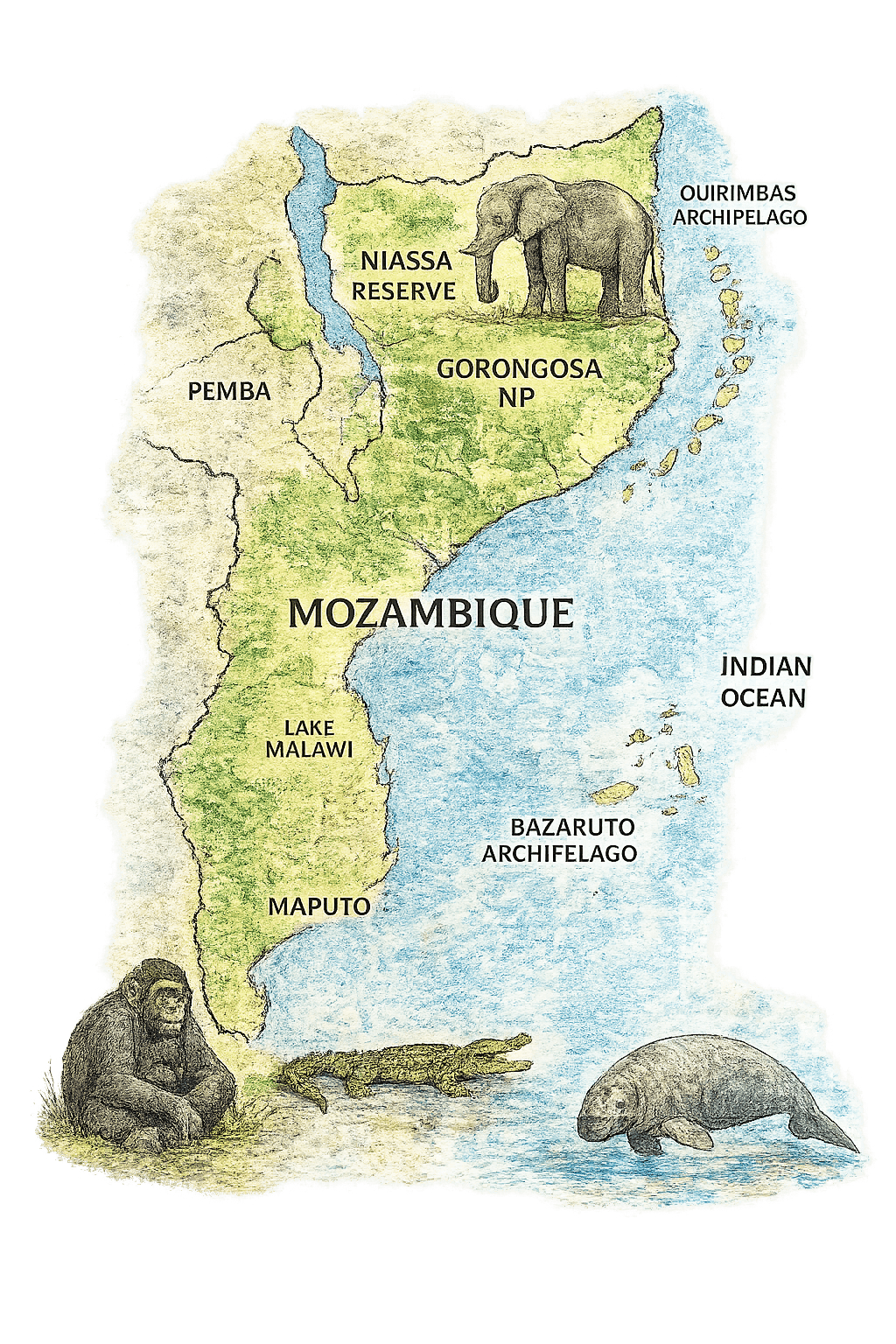
Mozambique is an untouched paradise, offering some of the most pristine beaches, remote islands, and rich marine life in Africa. With over 2,500 km of coastline, turquoise waters, and spectacular coral reefs, it’s a top destination for diving, snorkeling, and island-hopping. Beyond the coast, Mozambique also boasts lush national parks, cultural heritage sites, and historic colonial towns, making it an ideal blend of adventure, relaxation, and culture. Visitors can enjoy exclusive beach resorts, whale watching, and safaris in the country’s emerging wildlife reserves. Whether it’s exploring the Bazaruto Archipelago, diving in the Quirimbas Islands, or discovering the vibrant capital Maputo, Mozambique offers an exotic, crowd-free experience.
Itineraries and Packages
Luxury Lodges & Camps in Mozambique
Find your perfect retreat and let the journey begin in comfort and style.
Where will your Mozambique adventure start?
Explore our curated collection of luxury lodges and camps, each offering a unique window into Mozambique’s breathtaking coastlines. Your beach dream awaits!
Explore Mozambique Special Deals
Experience Mozambique through barefoot luxury, turquoise Indian Ocean coastlines, and refined island escapes that combine relaxation with marine adventure. From secluded beach lodges to vibrant coral reefs and dhow-lined shores, Mozambique offers a more exclusive and untouched coastal experience.
Safari Locations in Mozambique
Whether you’re seeking vibrant coral reefs in the remote Quirimbas, whale shark encounters off Tofo, or coastal elephant sightings in Maputo Special Reserve, Mozambique’s diverse locations cater to every type of traveler from beach lovers to safari enthusiasts.
South Africa combines world-class safaris with cosmopolitan culture, making it perfect for first-time visitors and safari veterans alike.
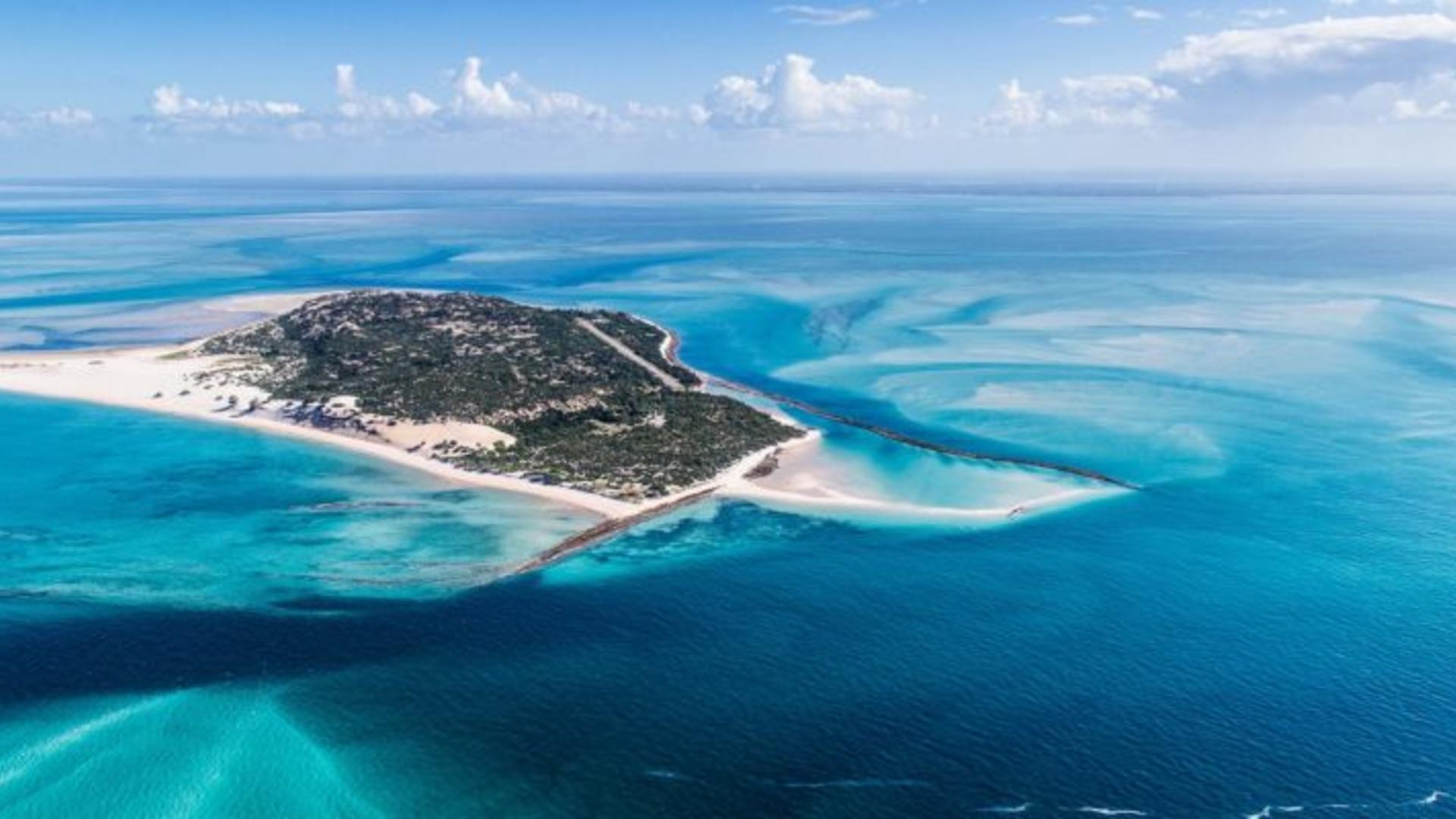
Bazaruto
UNESCO Biosphere Reserve, five tropical islands, luxury resorts, and vibrant marine life. Relax on Bazaruto’s pristine beaches.
Unique Experiences & Activities
Here are some notable options:
Snorkel or Dive with Whale Sharks in Tofo
_________________
Encounter gentle giants in Mozambique’s warm waters as you swim alongside the world’s largest fish. Tofo Beach is one of the planet’s premier whale shark destinations, offering year-round sightings in crystal-clear conditions. Expert guides ensure safe, respectful encounters while you witness these magnificent creatures gliding through the ocean alongside manta rays and dolphins.
Explore Ilha de Moçambique (UNESCO Site)
_________________
Discover colonial history, vibrant markets, and cultural richness on this UNESCO World Heritage Island. Walk through centuries-old Portuguese architecture, visit the Chapel of Nossa Senhora de Baluarte (the oldest European building in the Southern Hemisphere), and immerse yourself in the living Swahili culture. This tiny island serves as a time capsule where African, Arab, and European influences blend seamlessly.
Sail in a Traditional Dhow Along the Quirimbas Archipelago
_________________
Island-hop in style aboard a traditional wooden dhow, experiencing the same sailing traditions used for centuries along this pristine coastline. Glide past 32 coral islands, stopping to snorkel in marine sanctuaries, explore deserted beaches, and enjoy fresh seafood prepared by your crew. These intimate sailing journeys connect you to both the ocean and local maritime heritage while supporting community-based conservation efforts.
Walking Safari in Gorongosa National Park
_________________
Experience Africa’s Lost Eden on foot, tracking wildlife through one of the continent’s most remarkable conservation success stories. Accompanied by expert guides and armed rangers, explore diverse habitats from floodplains to miombo woodlands while learning about the park’s incredible recovery from civil war. Encounter elephants, lions, hippos, and rare birds while contributing to ongoing restoration efforts.
Witness Humpback Whale Migration (July–October)
_________________
See majestic humpback whales breaching and spy-hopping along Mozambique’s coast during their annual migration from Antarctica. Watch mothers teaching calves to breach in the warm waters of Tofo, Vilanculos, and the Bazaruto Archipelago. These intimate encounters from boats or even from shore offer unforgettable moments as these 40-ton giants perform acrobatic displays just meters away.
Kayak Through Mangroves in the Bazaruto Archipelago
_________________
Explore hidden waterways and vibrant ecosystems as you paddle silently through dense mangrove forests teeming with life. Discover nursery habitats where juvenile fish seek shelter, spot colorful kingfishers and herons hunting from twisted roots, and learn about the critical role mangroves play in protecting coastlines. This peaceful adventure reveals the archipelago’s quieter side, away from the famous beaches.
Experience Maputo’s Culture & Nightlife
_________________
Enjoy music, food, and art in the capital city where Portuguese colonial architecture meets vibrant African energy. Dance to live marrabenta music, feast on peri-peri prawns at waterfront restaurants, and explore galleries showcasing contemporary Mozambican artists. From the iconic Iron House designed by Gustave Eiffel to bustling markets and beachfront bars, Maputo pulses with creativity and warmth.
Spot Wild Elephants on the Beach in Maputo Special Reserve
_________________
See elephants and other wildlife with stunning ocean views in one of Africa’s most unique coastal reserves. Watch herds emerge from coastal forests to drink from freshwater lakes just meters from the Indian Ocean, creating surreal scenes of elephants silhouetted against turquoise waters. Game drives reveal hippos, crocodiles, diverse birdlife, and the rare opportunity to witness true wilderness meeting pristine coastline.
Travel Tips & Practical Information
Getting to Mozambique
- Main Airport: Maputo International Airport (MPM) – Best for southern Mozambique & safaris.
- Vilanculos Airport (VNX) – Best for the Bazaruto Archipelago.
- Pemba Airport (POL) – Best for the Quirimbas Archipelago.
Mozambique’s three main airports provide convenient access to different regions, with Maputo serving as the primary international gateway. Choose your arrival point based on your itinerary to minimize transfer times and maximize your beach or safari experience.
Ideal Trip Length:
- 7–10 days for a mix of beaches, wildlife, and culture.
A week to ten days allows you to combine pristine island escapes with wildlife safaris and cultural exploration without feeling rushed. This timeframe is perfect for experiencing Mozambique’s diverse offerings, from snorkeling with whale sharks to exploring UNESCO heritage sites.
Best Time to Go
- Dry Season (May–October): Best for safaris & beaches, cool dry weather, ideal diving/snorkeling, whale migration.
- Wet Season (November–April): Best for turtle nesting & birdwatching, warmer, occasional rain, cyclone risk Jan–Mar.
- Best for Island Travel: April–October (cooler temperatures & calmer waters).
The dry season offers the most reliable weather for diving, beach activities, and wildlife viewing, making it peak season. However, the wet season brings unique experiences like turtle nesting and lush landscapes, with fewer crowds and better rates if you don’t mind occasional tropical showers.
What to Pack for Mozambique’s Weather
- Light clothing, sunscreen, and beachwear for coastal areas.
- Hiking boots & safari gear for inland reserves.
- Diving/snorkeling equipment (if not renting).
Pack light and focus on breathable fabrics for Mozambique’s tropical climate. Don’t forget reef-safe sunscreen to protect both your skin and the marine ecosystems, and bring layers for cooler evenings or air-conditioned spaces.
Health & Safety in Mozambique: What Travelers Need to Know
- Vaccinations: Yellow fever (if coming from a risk area), hepatitis A, typhoid.
- Malaria precautions: Essential in most regions.
- Drinking water: Stick to bottled or purified water.
Consult your doctor 6-8 weeks before travel to ensure you’re up to date on all necessary vaccinations and malaria prophylaxis. Taking proper health precautions allows you to fully enjoy your Mozambique adventure without worry.
Money & Tipping in Mozambique: What to Know
- Currency: Mozambican Metical (MZN), but USD & ZAR are widely accepted.
- Tipping: Guides ($10–20 per day), lodge staff ($5–10 per stay).
Bring US dollars or South African rand for tips and remote areas where card facilities may be limited. Tipping is customary and greatly appreciated by guides and lodge staff, as it forms an important part of their income.
Connectivity, Power, and Plugs in Mozambique
- Wi-Fi available in major lodges, but limited in remote areas.
- Local SIM cards (Vodacom, Movitel) offer good coverage.
- Uses European-style plugs (Type C, F, M, 220V).
While connectivity exists in major areas, many remote lodges offer limited internet as part of the digital detox experience. Bring a universal adapter and portable chargers to stay powered up throughout your journey.
Ready for Your Dream Safari?
Let’s make it happen!
Contact us us, we’d love to help!
Toll-free: (800) 333-5533
Email: info@adventuresafrica.com