
Madagascar Guide
Madagascar: The Land of Unique Wildlife and Breathtaking Landscapes
Madagascar is one of the most biodiverse places on Earth, home to species that can only be found on this island. From the famous lemurs to towering baobab trees, Madagascar offers a once-in-a-lifetime adventure with unparalleled wildlife experiences and stunning natural beauty. With its vast rainforests, pristine beaches, and dramatic landscapes, Madagascar is perfect for travelers seeking an off-the-beaten-path adventure, cultural exploration, and sustainable tourism.
Itineraries and Packages
Luxury Lodges & Camps in Madagascar
Explore our full guide to Madagascar’s luxury lodges and camps and find the perfect base for your next journey.
Ready to explore where your Madagascar adventure could begin?
Madagascar’s luxury lodges and camps are your gateway to rare wildlife, lush rainforests, and pristine beaches. Choose your perfect base and let the island’s magic unfold in comfort and style.
Explore Madagascar Special Deals
Explore Madagascar through rare endemic wildlife, extraordinary geological landscapes, and island ecosystems found nowhere else on Earth. Lemurs, baobabs, rainforest reserves, and remote coastal regions combine to create one of the world’s most unique and visually diverse travel experiences.
Safari Locations in Madagascar
Whether you’re spotting indri lemurs (the world’s largest), walking among baobab avenues at sunset, snorkeling with whale sharks, or discovering chameleons, fossas, and over 100 lemur species found only on this island, Madagascar offers a completely different kind of safari that combines wildlife wonders with cultural richness and stunning coastal beauty.
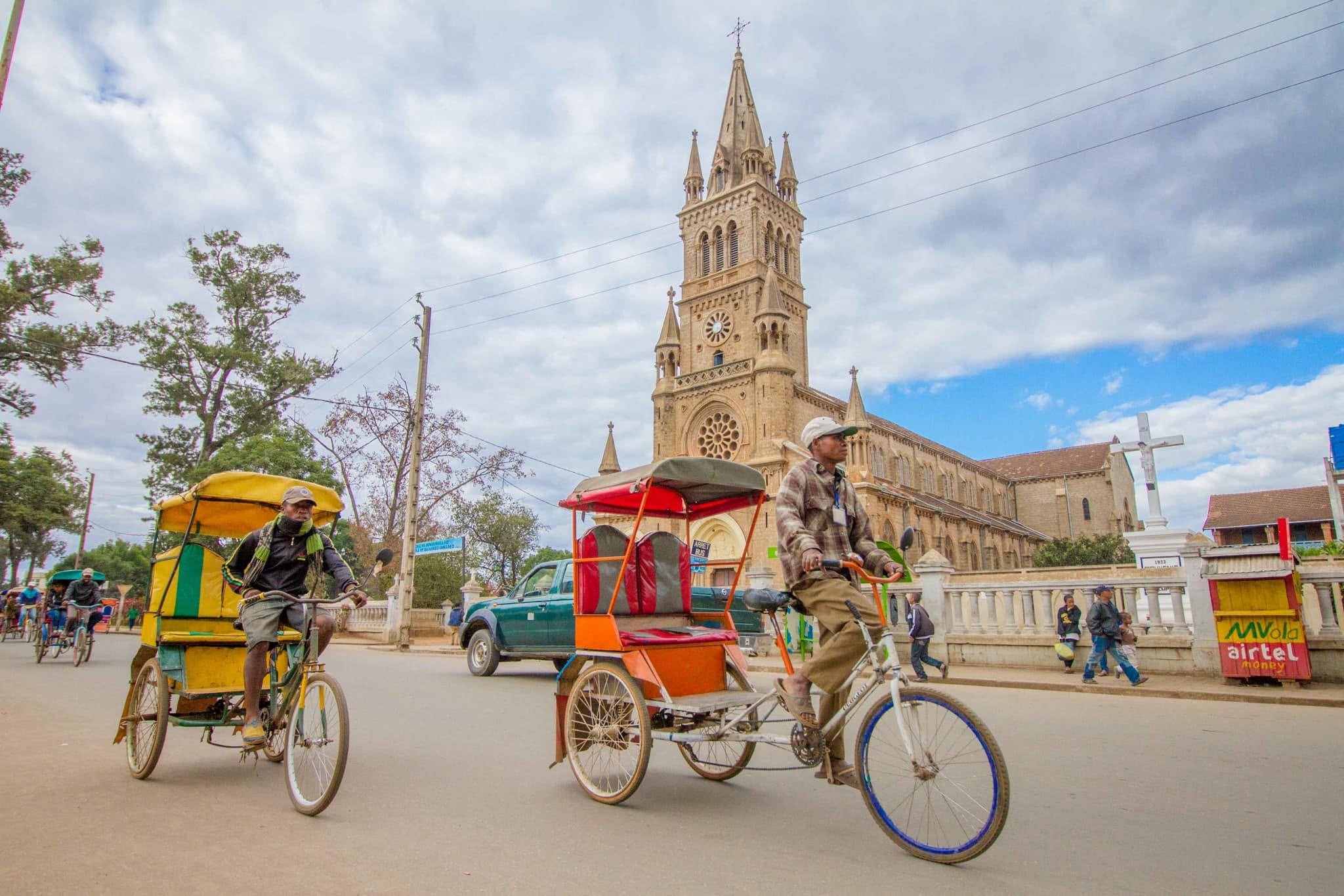
Madagascar East Antsirabe
Explore Madagascar East - Antsirabe in Madagascar with curated wildlife experiences, expert guidance, and premium lodge options.
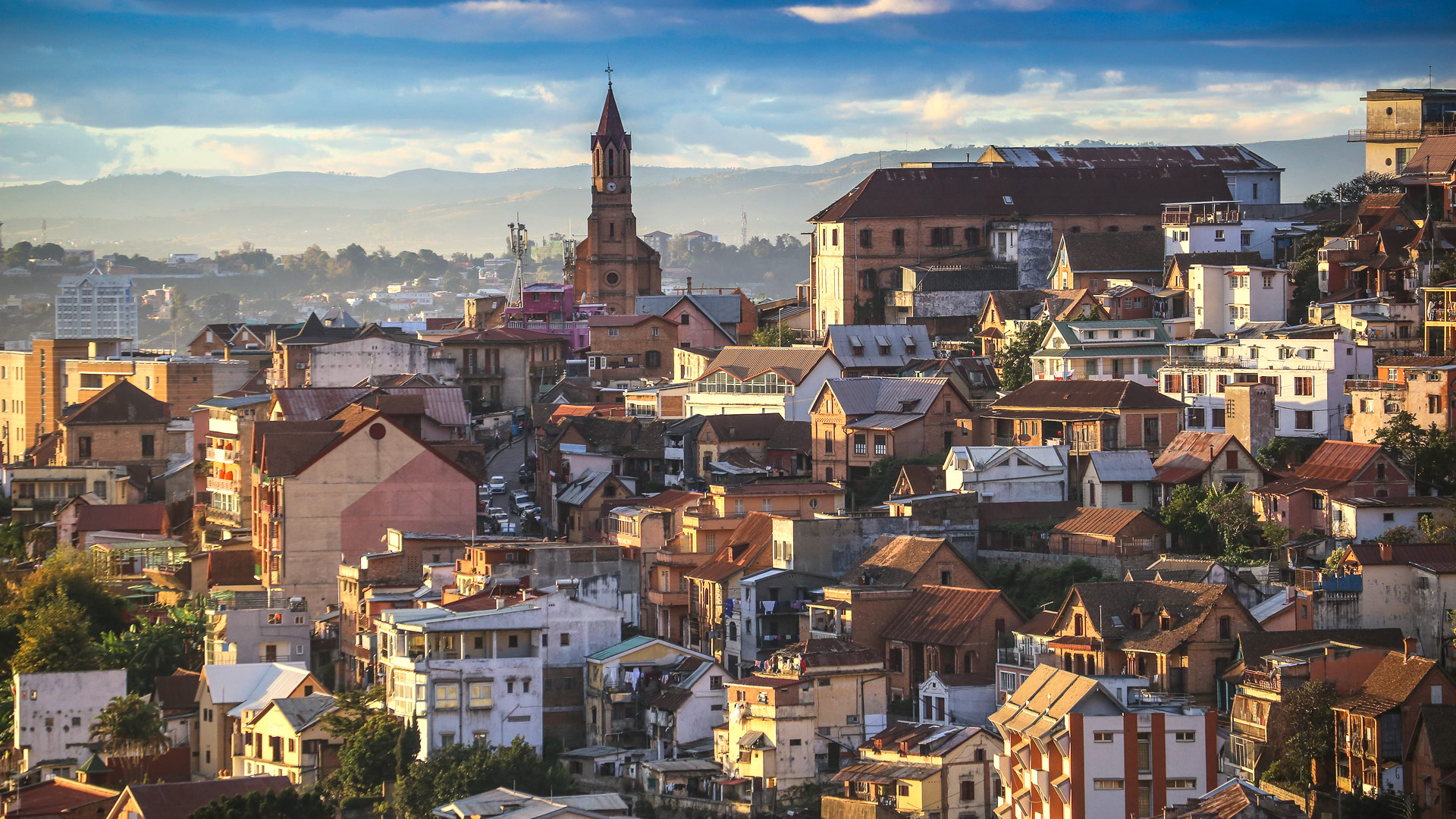
Madagascar East Antananarivo
Explore Madagascar East - Antananarivo in Madagascar with curated wildlife experiences, expert guidance, and premium lodge options.
Unique Experiences & Activities
Whether you’re diving vibrant coral reefs teeming with marine life, trekking through otherworldly limestone formations, or exploring diverse ecosystems from tropical beaches to highland plateaus, Madagascar promises adventure seekers and nature lovers experiences unlike anywhere else in the world.
Here are some notable options:
Lemur Watching
_________________
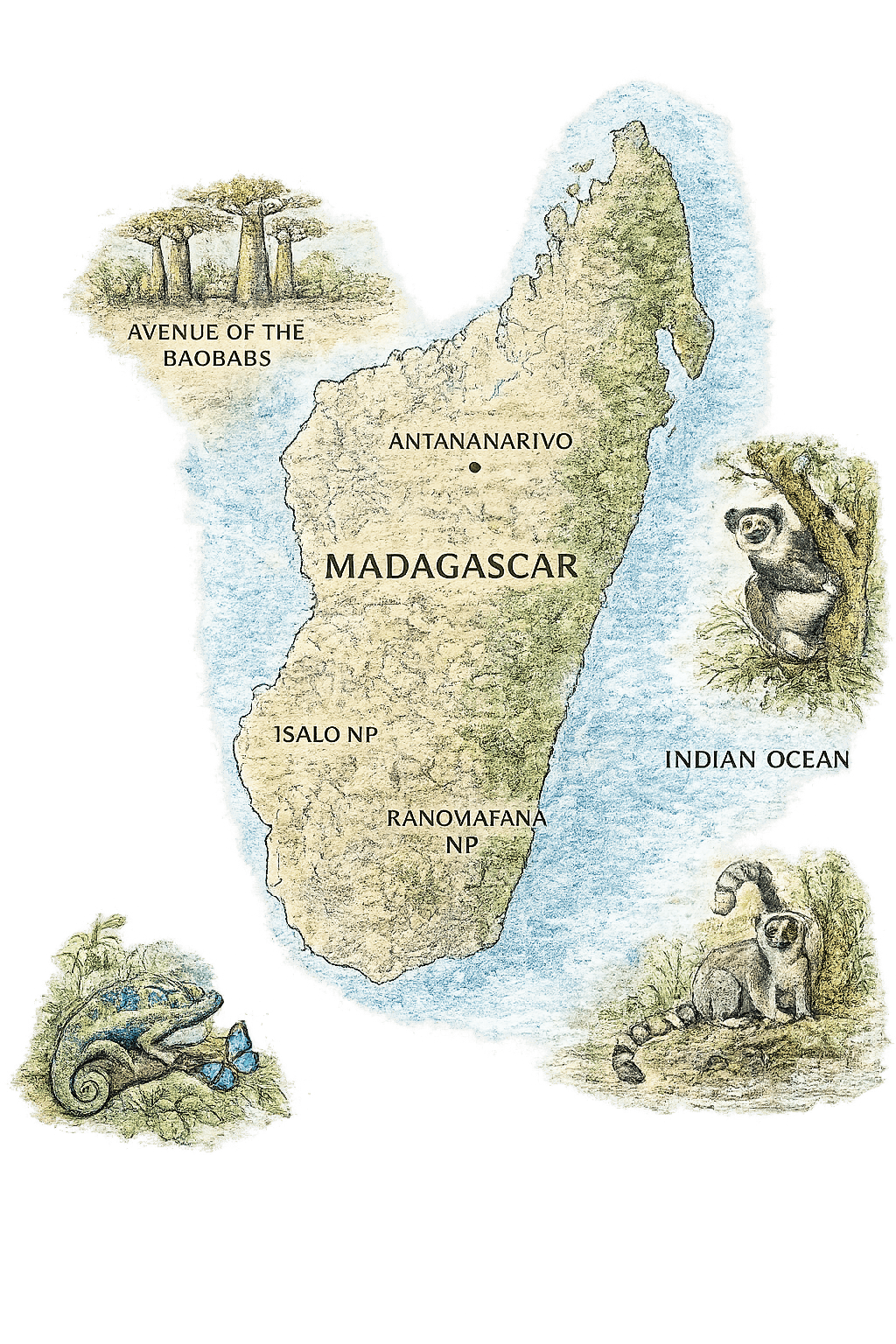
Madagascar is home to over 100 species of lemurs ranging from the tiny mouse lemur to the iconic ring-tailed and acrobatic sifakas, offering intimate wildlife encounters found nowhere else on Earth. Andasibe-Mantadia National Park provides the best opportunities to see the Indri—the largest living lemur—whose haunting territorial calls echo through the rainforest at dawn. Early morning and late afternoon forest walks bring you face-to-face with multiple lemur species as they leap between trees, feed on fruit, and interact in their natural habitats, creating unforgettable photographic opportunities.
Baobab Photography
_________________
The Avenue of the Baobabs near Morondava showcases these ancient giants—some over 800 years old—creating one of Africa’s most iconic and photographed landscapes. Visit at sunset when golden light bathes the massive trunks up to 30 meters tall, casting dramatic shadows and creating magical scenes that have made this location world-famous. Beyond the famous avenue, explore lesser-known baobab forests including sacred groves and the remarkable “baobab in love”—two trees intertwined in an eternal embrace.
Trekking in Isalo National Park
_________________
Hike through stunning sandstone formations, deep canyons, and natural infinity pools in Madagascar’s most dramatic landscape reminiscent of the American Southwest. Multi-day treks reveal diverse ecosystems from grassland savannahs to gallery forests sheltering ring-tailed lemurs, endemic plants, and over 80 bird species. Cool off with swims in crystal-clear natural pools beneath waterfalls, camp under brilliant stars, and witness sunrise from canyon rims overlooking this otherworldly terrain.
Diving in Nosy Be
_________________
Explore some of the Indian Ocean’s most pristine coral reefs teeming with tropical fish, sea turtles, manta rays, and seasonal whale sharks in crystal-clear waters. Nosy Be and surrounding islands like Nosy Tanikely offer world-class dive sites suitable for all experience levels, from shallow coral gardens to dramatic drop-offs and underwater caves. The peak season from July to September brings migrating humpback whales close to shore, offering opportunities for snorkeling encounters with these gentle giants in protected bays.
Rock Climbing in Tsingy de Bemaraha
_________________
Scale sharp limestone pinnacles and navigate suspension bridges in this UNESCO World Heritage Site featuring one of Earth’s most unusual geological formations. The “tsingy” (meaning “where one cannot walk barefoot”) consists of razor-sharp karst formations created by millions of years of erosion, creating a stone forest unlike anywhere else. Guided climbs and via ferrata routes take you across rope bridges and through canyons where endemic lemurs, reptiles, and birds thrive in this inhospitable but spectacular landscape.
Cultural Tours
_________________
Visit traditional Malagasy villages to learn about ancient customs, unique burial practices, and local crafts that reflect Madagascar’s fascinating blend of African, Arab, and Southeast Asian influences. Explore vibrant markets filled with vanilla, spices, handwoven textiles, and intricate wood carvings while meeting artisans keeping traditional skills alive. Witness the famadihana (turning of the bones) ceremony if timing allows, participate in traditional music and dance, and gain insights into the strong ancestral connections that define Malagasy culture.
Travel Tips & Practical Information
Getting to Madagascar
- Main Airports: Ivato International Airport (Antananarivo), Nosy Be Fascene Airport.
- Direct Flights from Paris, Nairobi, Johannesburg, and other African hubs.
Madagascar’s main international gateway is Antananarivo’s Ivato Airport, with good connections from Europe and regional African hubs. Domestic flights are essential for covering Madagascar’s large size efficiently, connecting the capital to coastal resorts, national parks, and remote destinations that would take days to reach by road.
Ideal Trip Length:
- 10–14 days to explore both the rainforests and beaches.
Madagascar’s vast size and diverse ecosystems demand at least 10-14 days to properly experience its highlights without exhausting travel days. This timeframe allows for rainforest lemur trekking, iconic baobab photography, unique geological wonders, and relaxing beach time, though true Madagascar enthusiasts could easily spend three weeks exploring this extraordinary island.
Best Time to Go
- Dry Season (April–October): Best for wildlife viewing & outdoor activities, ideal for visiting parks and observing wildlife, rainforest hikes and birdwatching are best in the dry months.
- Wet Season (November–March): Best for lush landscapes & fewer tourists, tropical rains make Madagascar’s rainforests lush, but some roads may be impassable, birdwatching season peaks during this time, especially for migratory species.
The dry season from April to October offers the best overall conditions for wildlife viewing, hiking, and photography, with cooler temperatures and accessible roads. However, the wet season brings Madagascar’s landscapes to life with blooming orchids, active wildlife breeding, and dramatic waterfalls, making both seasons rewarding depending on your priorities.
What to Pack for Madagascar’s Weather
- Dry Season: Mild temperatures, light clothing, sturdy shoes for trekking.
- Wet Season: Lightweight rain gear, insect repellent, waterproof bags.
Pack for varied climates as Madagascar’s diverse geography creates everything from tropical coastal heat to cool highland evenings. Quality hiking boots are essential for rainforest trails and rocky terrain, while reef-safe sunscreen and insect repellent protect you and Madagascar’s fragile ecosystems.
Health & Safety in Madagascar: What Travelers Need to Know
- Malaria risk (precautions recommended).
- Vaccinations: Routine shots, plus yellow fever if coming from an endemic country.
Consult your doctor 6-8 weeks before travel for malaria prophylaxis and ensure all routine vaccinations are current. Healthcare facilities in Antananarivo and major cities are adequate, though remote areas have limited medical services, making comprehensive travel insurance essential.
Money & Tipping in Madagascar: What to Know
- Currency: Malagasy Ariary (MGA).
- Tipping: Guides ($5–10 per day), lodge staff ($3–5 per day).
ATMs are available in major cities but unreliable in remote areas, so carry sufficient Malagasy Ariary or euros for tips and small purchases. Tipping is appreciated and forms an important part of income for guides and lodge staff, who provide invaluable expertise in navigating Madagascar’s unique ecosystems.
Connectivity, Power, and Plugs in Madagascar
- Limited WiFi, but available in larger cities and eco-lodges.
- Uses Type C & E plugs (220V).
Wi-Fi is available in larger cities and tourist areas but remains limited in remote lodges and national parks. Mobile coverage is expanding but unreliable outside major towns, so embrace the digital detox and focus on Madagascar’s extraordinary natural wonders.
Ready for Your Dream Safari?
Let’s make it happen!
Contact us us, we’d love to help!
Toll-free: (800) 333-5533
Email: info@adventuresafrica.com